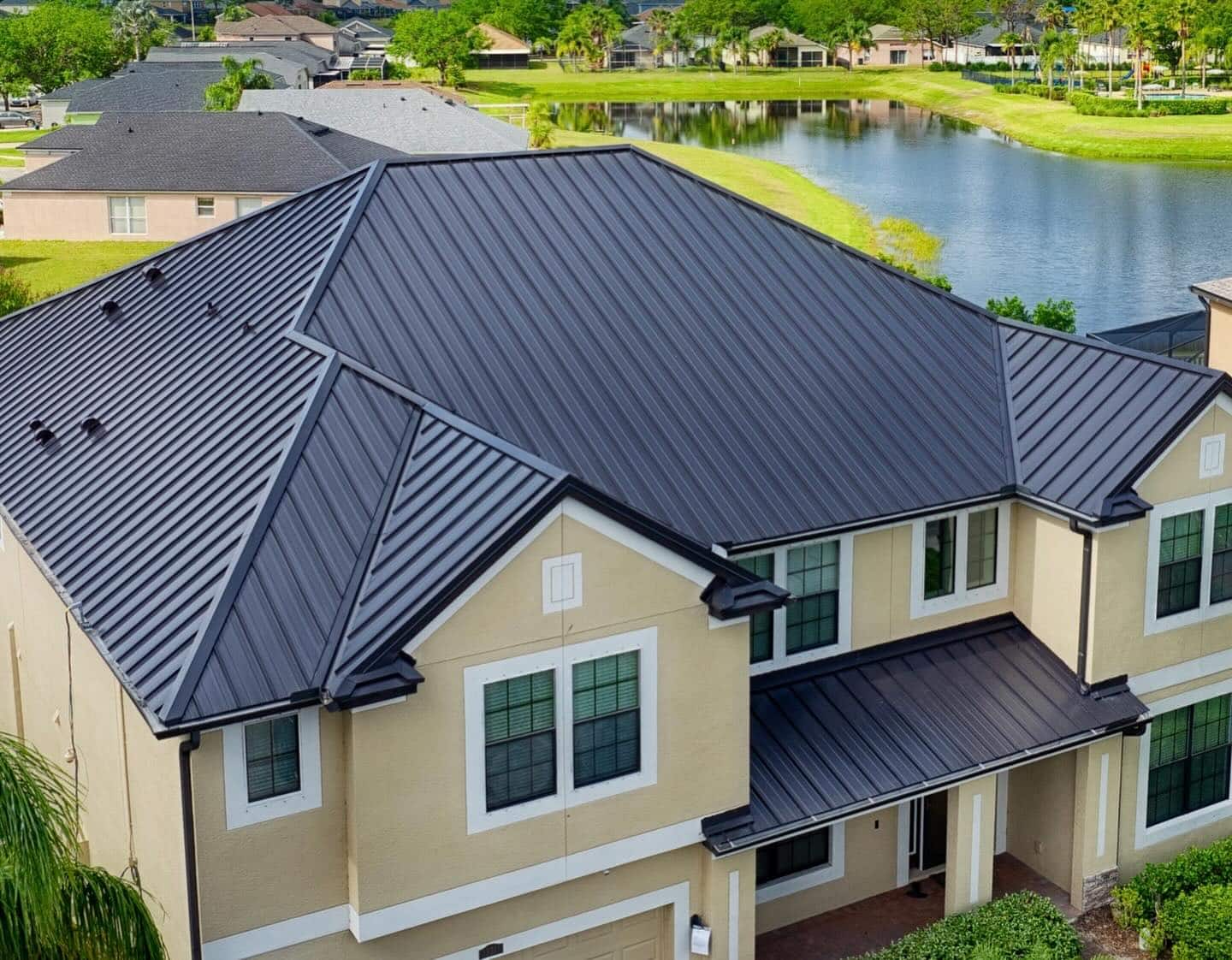
Choosing the Right Gauge
Choosing the right gauge comes down to weighing a few factors, and a Lebanon homeowner can decide with a clear approach. Here is how.
Consider the Application
Start with what the roof is going on, since a premium home, a general residence, and an outbuilding typically call for different gauges. The application is the biggest guide, a premium or standing seam roof leans heavier, a utility building leans lighter, and a typical home lands in the middle. Identifying the application points toward the appropriate gauge range. It is the natural starting point for the choice. The use guides much of it.
Factor In Your Conditions
Consider your area's conditions, particularly hail risk, since a heavier gauge improves dent resistance where hail is a concern. If you are in a hail prone area, leaning toward a thicker gauge may be wise. Your local conditions can adjust the gauge choice beyond what the application alone suggests. Factoring in conditions like hail helps refine the decision. Your environment matters to the choice. It is worth weighing.
Weigh Durability Versus Cost
Balance how much durability and dent resistance you want against your budget, since thicker gauges cost more. If maximum durability is a priority and the budget allows, a heavier gauge fits, while if cost is a concern and the application is less demanding, a lighter gauge may suffice. Weighing durability against cost is central to the gauge choice. The balance you strike guides the decision. It is your trade off to make.
Consider the Metal and Finish Too
Remember that gauge is one specification among several, and the metal type and finish also matter, so consider them together. A contractor can advise on the right combination of gauge, metal, and finish for your project. Looking at the full picture, not just gauge, leads to the best choice. Gauge works alongside the other specifications in defining the roof. They should be considered together. The whole panel matters.
Get Expert Guidance
The best way to choose is with guidance from a contractor who can recommend the right gauge for your application, conditions, and budget. An experienced installer knows what gauge suits which situation and can steer you well. That expert input ensures you choose a gauge that fits your project without over- or under spending. It rounds out your own thinking with knowledgeable advice. It helps you decide well.
Choosing It, in Short
Choose the gauge by considering the application, factoring in conditions like hail, weighing durability against cost, considering the metal and finish too, and getting expert guidance. This leads to the gauge that fits your project, conditions, and budget.
It also helps Lebanon homeowners to understand that gauge, while important, is one of several specifications that together define a metal roof panel, and the best decisions consider them as a set rather than fixating on gauge alone. Alongside gauge, the metal type matters a great deal, since different metals have different inherent strength and characteristics, a given gauge of steel and the same gauge of a softer metal will not behave identically, and the choice between steel, aluminum, and the premium metals affects durability, corrosion resistance, weight, and cost in ways that interact with the gauge decision. The finish matters too, both for appearance and for the protection and longevity it adds, with quality finishes holding color and protecting the metal for decades. And the panel style, standing seam versus an exposed fastener profile, interacts with the gauge choice, since premium standing seam systems are commonly paired with heavier gauges while economical exposed fastener panels on utility buildings often use lighter ones. The practical implication is that when a homeowner is choosing a metal roof, the sensible approach is to work with a contractor who can advise on the whole package, the right gauge for the durability and dent resistance the situation calls for, the right metal for the conditions and budget, the right finish for appearance and protection, and the right style for the building and aesthetic. Gauge is a meaningful part of that picture and worth understanding, but it works together with the other specifications to determine the roof's overall performance, appearance, longevity, and cost, so considering them together leads to the best result for the home.
It also helps Lebanon homeowners to understand that gauge, while important, is one of several specifications that together define a metal roof panel, and the best decisions consider them as a set rather than fixating on gauge alone. Alongside gauge, the metal type matters a great deal, since different metals have different inherent strength and characteristics, a given gauge of steel and the same gauge of a softer metal will not behave identically, and the choice between steel, aluminum, and the premium metals affects durability, corrosion resistance, weight, and cost in ways that interact with the gauge decision. The finish matters too, both for appearance and for the protection and longevity it adds, with quality finishes holding color and protecting the metal for decades. And the panel style, standing seam versus an exposed fastener profile, interacts with the gauge choice, since premium standing seam systems are commonly paired with heavier gauges while economical exposed fastener panels on utility buildings often use lighter ones. The practical implication is that when a homeowner is choosing a metal roof, the sensible approach is to work with a contractor who can advise on the whole package, the right gauge for the durability and dent resistance the situation calls for, the right metal for the conditions and budget, the right finish for appearance and protection, and the right style for the building and aesthetic. Gauge is a meaningful part of that picture and worth understanding, but it works together with the other specifications to determine the roof's overall performance, appearance, longevity, and cost, so considering them together leads to the best result for the home.
It also helps Lebanon homeowners to understand that gauge, while important, is one of several specifications that together define a metal roof panel, and the best decisions consider them as a set rather than fixating on gauge alone. Alongside gauge, the metal type matters a great deal, since different metals have different inherent strength and characteristics, a given gauge of steel and the same gauge of a softer metal will not behave identically, and the choice between steel, aluminum, and the premium metals affects durability, corrosion resistance, weight, and cost in ways that interact with the gauge decision. The finish matters too, both for appearance and for the protection and longevity it adds, with quality finishes holding color and protecting the metal for decades. And the panel style, standing seam versus an exposed fastener profile, interacts with the gauge choice, since premium standing seam systems are commonly paired with heavier gauges while economical exposed fastener panels on utility buildings often use lighter ones. The practical implication is that when a homeowner is choosing a metal roof, the sensible approach is to work with a contractor who can advise on the whole package, the right gauge for the durability and dent resistance the situation calls for, the right metal for the conditions and budget, the right finish for appearance and protection, and the right style for the building and aesthetic. Gauge is a meaningful part of that picture and worth understanding, but it works together with the other specifications to determine the roof's overall performance, appearance, longevity, and cost, so considering them together leads to the best result for the home.
Get Gauge Guidance
Lebanon Metal Roofing recommends the right gauge for each project across Lebanon and Boone County, balancing durability, conditions, and budget. Call (765) 676-3491 for a free consultation and a clear recommendation on the gauge that fits your roof.