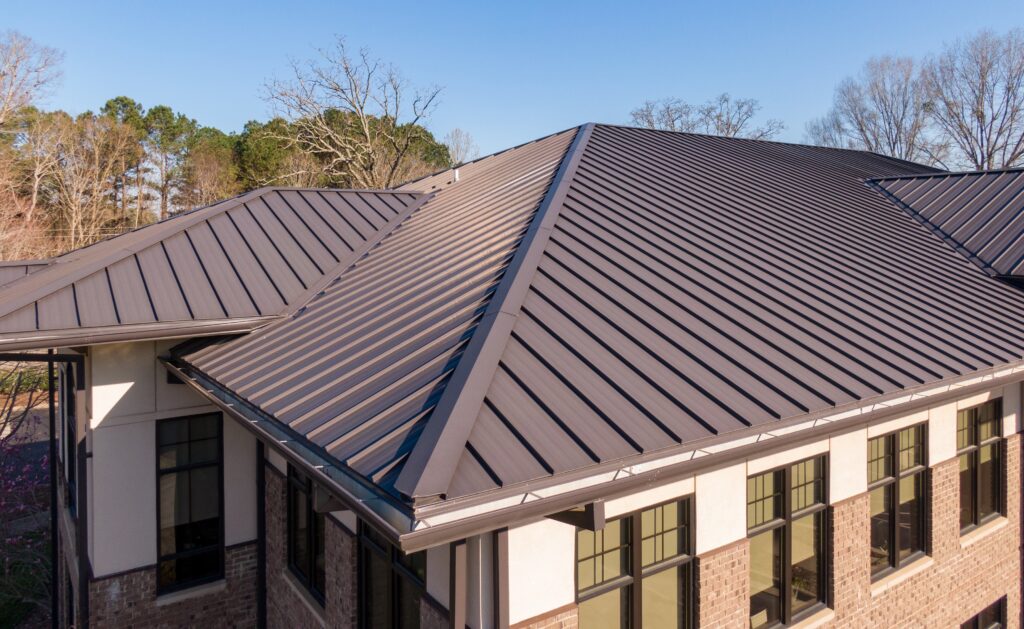
Why Proper Installation Matters
Proper installation is central to preventing condensation, and a Lebanon homeowner benefits from understanding why. Here is the picture.
Condensation Is About the Whole Assembly
Condensation depends on the whole roof and attic assembly, the insulation, ventilation, and vapor control, not just the roofing material, so the assembly matters. The whole assembly governs it. It is more than the roof covering. The setup matters. It involves multiple elements. It is system-wide.
A Quality Installation Manages It
A quality installation manages condensation by incorporating proper insulation, ventilation, and vapor control suited to the home, so the conditions for condensation do not develop. Quality installation prevents it. It builds in the measures. It manages the conditions. It addresses condensation. It does it right.
Independent of Roofing Material
Condensation can affect any roof, since it depends on the assembly rather than the material, so a metal roof needs proper condensation management just as any roof does. It applies to all roofs. It is material-independent. Metal needs it too. It depends on the setup. It is universal.
The Contractor's Role
The contractor's role is to install the roof and assembly properly, addressing condensation prevention as part of a quality job. The contractor handles it. They install it properly. They address condensation. It is part of their work. It reflects quality.
Getting It Right
Getting condensation management right depends on an experienced contractor who understands the assembly and installs it to prevent condensation. Experience matters. It ensures proper management. The contractor's knowledge is key. It is worth their expertise. They get it right.
Why Installation Matters, in Short
Condensation depends on the whole roof and attic assembly, insulation, ventilation, and vapor control, not just the material, so a quality installation that incorporates these properly is what prevents it, which depends on an experienced contractor who understands the assembly.
It also helps Lebanon homeowners to understand that preventing condensation under a roof is fundamentally about managing the moisture and the temperature in the roof and attic assembly, and that this is achieved through a combination of measures working together rather than through anything to do with the roofing material itself. There are three main measures. The first is proper insulation, which helps by managing the temperature difference and keeping surfaces from getting cold enough for moisture to readily condense on them. The second is adequate ventilation, which helps by carrying the moist air out of the attic before it has a chance to condense, keeping the attic drier. The third is vapor control, such as a vapor barrier installed where appropriate, which helps by limiting the amount of moisture that can move up into the attic in the first place, reducing the moisture available to condense. These three work together as a system, and when they are properly in place and suited to the particular home, they manage the conditions so that condensation does not form. An important point is that condensation depends on this whole assembly, the insulation, ventilation, and vapor control, rather than on the roof covering, which means condensation can affect any roof, and a metal roof needs proper condensation management just as any other roof does. This is why a quality installation matters so much, because it is the installation that incorporates these measures appropriately, and why an experienced contractor who understands how the whole assembly works together to manage moisture and temperature is the right person both to install a roof that prevents condensation and to diagnose and remedy any condensation that is already occurring.
One point worth making clear for Lebanon homeowners is the distinction between condensation and a leak, because moisture appearing under a roof is one of the more commonly misunderstood roofing situations, and getting the diagnosis right is essential to actually solving the problem. The two have entirely different causes. A leak is water entering from outside, through some opening or failure in the roof, and finding its way in. Condensation, by contrast, is moisture that originates inside, it forms when warm, moist air, generated by everyday activities in the home and by humidity, rises up into the attic and meets the cooler underside of the roof, where, just as water beads on the outside of a cold glass on a humid day, the moisture in that air condenses into water on the cool surface. Because both situations show up as moisture or dampness under the roof, they are easily confused, but the way to tell them apart lies in the pattern and the conditions. A leak tends to relate to rain and to a specific point of entry, so it often appears during or after rainfall and in a particular spot. Condensation relates instead to temperature and humidity, so it tends to appear under certain conditions of cold and moist air and can be more widespread across the underside of the roof. A professional can assess these factors to determine which is occurring, and this matters enormously, because the fixes are completely different. A leak is solved by finding and sealing the point where water is getting in, whereas condensation is solved not by sealing anything but by managing the moisture and temperature in the attic. Treating condensation as if it were a leak, or a leak as if it were condensation, simply will not work.
It also helps Lebanon homeowners to understand that preventing condensation under a roof is fundamentally about managing the moisture and the temperature in the roof and attic assembly, and that this is achieved through a combination of measures working together rather than through anything to do with the roofing material itself. There are three main measures. The first is proper insulation, which helps by managing the temperature difference and keeping surfaces from getting cold enough for moisture to readily condense on them. The second is adequate ventilation, which helps by carrying the moist air out of the attic before it has a chance to condense, keeping the attic drier. The third is vapor control, such as a vapor barrier installed where appropriate, which helps by limiting the amount of moisture that can move up into the attic in the first place, reducing the moisture available to condense. These three work together as a system, and when they are properly in place and suited to the particular home, they manage the conditions so that condensation does not form. An important point is that condensation depends on this whole assembly, the insulation, ventilation, and vapor control, rather than on the roof covering, which means condensation can affect any roof, and a metal roof needs proper condensation management just as any other roof does. This is why a quality installation matters so much, because it is the installation that incorporates these measures appropriately, and why an experienced contractor who understands how the whole assembly works together to manage moisture and temperature is the right person both to install a roof that prevents condensation and to diagnose and remedy any condensation that is already occurring.
Get It Done Right
Lebanon Metal Roofing installs metal roofing and assemblies that prevent condensation across Lebanon and Boone County. Call (765) 676-3491 for a free consultation on a properly installed roof that keeps condensation from forming.